Blogg
The way we drive is changing faster than at any point since the invention of the motor car. Two forces are driving this transformation: the shift to electric powertrains and the rise of connected vehicle technology. On British roads, this means more drivers are charging at home overnight, checking battery levels from a phone app, and relying on over-the-air software updates rather than annual dealer visits. This page brings together the essential knowledge you need to understand both trends, how they overlap, and what they mean for everyday motoring in the UK.
What Is a Connected Car?
A connected car is a vehicle that communicates with the outside world, usually through a built-in mobile data connection. Think of it as a smartphone on wheels: it can send and receive information, download software, and interact with your other devices. Most new vehicles sold in the UK now include some level of connectivity as standard, even in modestly priced models.
Connectivity typically falls into three broad categories, and understanding the difference helps you compare vehicles more confidently:
- Embedded connectivity: a built-in SIM card and modem, managed by the manufacturer, offering services like live traffic, remote locking and emergency calls.
- Tethered or mirrored systems: your smartphone provides the data connection, often through Apple CarPlay or Android Auto displayed on the car’s screen.
- Vehicle-to-everything communication: an emerging capability allowing cars to talk to infrastructure, other vehicles and the power grid.
For most drivers today, the practical benefits are simple: finding a parking space, receiving a warning before an accident blackspot, pre-heating the cabin on a frosty January morning in Manchester, or being told precisely where the nearest working charge point is.
Understanding Electric Mobility
Electric mobility covers any transport powered primarily by electricity rather than fossil fuels. In the passenger car world, this includes several distinct technologies that are often confused with one another:
- Battery electric vehicles (BEVs): fully electric, no petrol engine, charged from the grid.
- Plug-in hybrids (PHEVs): a battery for shorter journeys combined with a petrol engine for longer ones.
- Mild hybrids: a small battery that assists the engine but never powers the car alone and cannot be plugged in.
The UK context matters here. The phase-out dates for new petrol and diesel car sales, the expanding public charging network operated by providers such as bp pulse, Shell Recharge and Gridserve, and the growing second-hand EV market all shape what electric mobility looks like on British roads. Clean air zones in cities like London, Birmingham and Bristol also make electric driving increasingly attractive for urban households.
Where Connectivity and Electrification Meet
Electric cars and connected technology are natural partners. An electric vehicle is, in effect, a large computer managing hundreds of battery cells, a charging system and an electric motor. That makes connectivity far more than a convenience feature, it becomes central to how the car works.
Consider a realistic scenario. A commuter in Leeds drives an electric hatchback roughly thirty miles a day. Her car’s app checks electricity tariffs overnight and schedules charging during off-peak hours, cutting her running costs substantially. On a cold morning, she warms the cabin while the car is still plugged in, so the battery is not drained before she leaves. If a charge point on her usual route to York is out of service, the navigation system reroutes her automatically. None of this requires technical expertise; the connected systems do the work quietly in the background.
This integration also benefits the wider energy system. Smart charging allows thousands of vehicles to charge when electricity is cheapest and cleanest, and vehicle-to-grid trials are exploring how parked electric cars could feed power back into homes during peak demand.
Key Features to Look For in a Modern Vehicle
If you are comparing vehicles, whether electric or not, connectivity and electrification features deserve close attention. These are the elements that make the biggest difference in daily use:
- Range that suits your real weekly mileage, not just the maximum quoted figure.
- Charging speed compatible with rapid chargers on motorway routes.
- A smartphone app that reliably shows charge status, pre-conditions the car and plans routes.
- Over-the-air updates, which keep software current without a garage visit.
- Integrated navigation that displays live charge point availability and compatibility.
- Driver assistance features such as adaptive cruise control and lane keeping.
A practical tip: before committing to any vehicle, test the companion app yourself. Some manufacturers’ apps are polished and dependable, while others are slow or limited. Since the app becomes part of your ownership experience, it is worth the small extra effort.
Running Costs and Practical Considerations in the UK
One of the most common questions from drivers considering the switch is whether electric motoring genuinely saves money. The honest answer is that it depends on how and where you charge. Charging at home on a dedicated off-peak tariff is typically the cheapest way to fuel a car per mile by a wide margin. Relying entirely on public rapid chargers, particularly in motorway service areas, narrows that advantage considerably.
Beyond energy, electric vehicles generally have fewer moving parts, which tends to reduce servicing costs, and there is no exhaust system or clutch to fail. Road tax arrangements, congestion and clean air zone charges, and company car tax treatment have all evolved in favour of lower-emission vehicles, though rules change, so it is always worth checking current regulations before making a decision.
Charging at home also raises practical questions worth planning for:
- Check whether you have off-street parking where a charge point can be installed.
- Compare home charge point installers and confirm compatibility with your chosen tariff.
- Review electricity tariffs designed for EV drivers and calculate your expected overnight costs.
- Map the public charging network along the routes you drive most often.
Common Questions and Concerns
Is range anxiety still a real problem?
Far less than it used to be, but it has not disappeared. Modern electric cars commonly offer real-world ranges between 150 and 300 miles, and the UK’s public charging network now covers most major routes. The key is matching the vehicle to your usage: a driver doing 200 miles a week with home charging will rarely think about range, while someone regularly covering long rural routes should plan charging stops more carefully.
What about battery lifespan?
Batteries degrade gradually, not suddenly. Most manufacturers warranty their batteries for eight years or a substantial mileage, and real-world evidence from early electric cars suggests degradation is slower than many feared. Avoiding frequent rapid charging in extreme heat and keeping charge levels between roughly 20 and 80 percent for daily use all help preserve battery health.
Is my data safe in a connected car?
Connected cars collect significant data: location, driving behaviour, and in some cases cabin footage. UK drivers are protected by data protection law, and manufacturers must be transparent about what is collected. It is sensible to review the privacy settings in your vehicle’s app and understand what you are agreeing to when activating connected services.
Should I buy new, used, or wait?
The used electric market has matured quickly, offering meaningful savings on vehicles with plenty of battery life remaining. Buying used is no longer a gamble if you check battery health reports and service history. Waiting rarely pays off: technology improves constantly, but today’s vehicles are already highly capable for the majority of British driving patterns.
Making Sense of the Road Ahead
Connected cars and electric mobility are not separate trends; they are two halves of the same transformation. The electric powertrain provides cleaner, quieter and cheaper-to-run transport, while connectivity makes that transport smarter, easier to plan and more integrated with our homes and energy systems. For UK drivers, the transition is no longer a distant prospect, it is happening in driveways, on motorways and in city centres right now.
You do not need to be an early adopter to benefit. Start by understanding your own driving patterns, explore the charging options available where you live, and compare vehicles on the features that genuinely matter to you. The content across this category is designed to support you at each step, from deciphering charging terminology to choosing between battery sizes and making the most of the connected services your next car will offer.

Hvorfor er leie av varebil en kostnadseffektiv løsning for bedrifter?
I dagens dynamiske forretningsklima står bedrifter overfor utfordringen med å balansere effektivitet og kostnadsbesparelser. Et område hvor dette er spesielt relevant er bedriftens kjøretøyflåte. Leie av varebiler har vist seg å være en stadig mer populær og kostnadseffektiv løsning for…
Lire la suite
Hva er fordelene med å leie bil for å utforske Trondheim og omegn?
Trondheim, med sin rike historie og naturskjønne omgivelser, er en by som fortjener å bli utforsket grundig. For besøkende og lokale som ønsker å oppleve alt regionen har å by på, kan det å leie bil være nøkkelen til en…
Lire la suite
Hvordan finner du den beste leiebilen i tromsø?
Å finne den perfekte leiebilen i Tromsø kan være nøkkelen til en uforglemmelig reise i Nord-Norge. Med sin unike blanding av arktisk natur og urban sjarm, krever Tromsø et pålitelig kjøretøy for å utforske både byen og omgivelsene. Enten du…
Lire la suite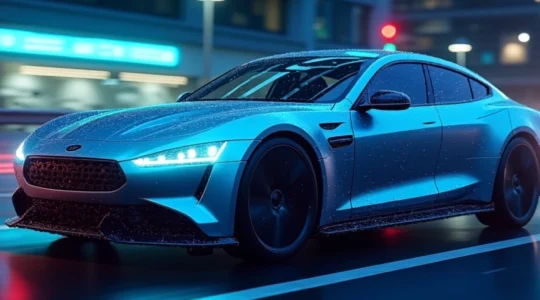
Velg smartbiler fremfor tradisjonelle elbiler for å oppleve fremtidens kjøretøyteknologi
Smartbiler representerer et paradigmeskifte i bilindustrien, og tilbyr en fascinerende kombinasjon av avansert teknologi, miljøvennlighet og brukervennlighet. Disse innovative kjøretøyene tar elbilkonseptet et skritt videre ved å integrere kunstig intelligens, maskinlæring og Internet of Things (IoT) for å skape en…
Lire la suite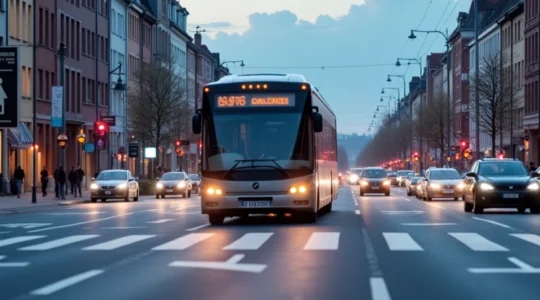
Urban infrastruktur for smarte biler: nødvendige tilpasninger for fremtidens bytransport
Fremtidens byer står overfor en revolusjon innen transport og mobilitet. Smarte biler og autonom kjøreteknologi er i ferd med å endre måten vi beveger oss på i urbane områder. Denne utviklingen krever betydelige tilpasninger i byenes infrastruktur for å sikre…
Lire la suite
Utforsk mulighetene med utleie av smartbiler for å prøve ny teknologi
Smartbilutleie representerer en spennende utviklingsretning i skjæringspunktet mellom moderne bilteknologi og delingsøkonomi. Denne innovative tilnærmingen til mobilitet gir forbrukere muligheten til å oppleve det siste innen kjøretøyteknologi uten langsiktige forpliktelser. Med integrerte systemer for kunstig intelligens, avanserte førerstøttesystemer og bærekraftige…
Lire la suite