Blog
The way we drive is changing faster than at any point since the invention of the motor car. Across the United Kingdom, two major shifts are happening at the same time: vehicles are becoming connected, constantly exchanging data with the internet, other cars and the road infrastructure, and they are increasingly powered by electricity rather than petrol or diesel. Together, these trends are redefining what it means to own, drive and even think about a car.
This page brings together the essential ideas behind connected cars and electric mobility. Whether you are considering your first electric vehicle, curious about what your car’s touchscreen is really doing, or simply trying to make sense of the news about charging networks and low-emission zones, the sections below explain the key concepts in plain language and show how they connect to everyday life on British roads.
What Is a Connected Car?
A connected car is a vehicle equipped with internet access, usually through a built-in modem with its own SIM card. This connection allows the car to send and receive data continuously, powering features that many drivers now take for granted.
Think of it a little like the difference between an old mobile phone and a smartphone. A traditional car, like an old handset, does exactly what it was built to do and nothing more. A connected car, like a smartphone, keeps improving after you have bought it, learns from the world around it and links to the services you use every day.
Typical connected features include:
- Live navigation and traffic updates, recalculating routes in real time when congestion builds on the M25 or a motorway closure occurs.
- Remote functions via a smartphone app, such as pre-heating the cabin on a frosty morning, checking the battery level or locking the doors from your kitchen.
- Over-the-air software updates, which add features or fix issues without a trip to a dealership.
- Automatic emergency calls, where the car contacts emergency services with your location after a serious impact.
- Vehicle diagnostics, alerting you to low tyre pressure, a failing component or an upcoming service before problems escalate.
Connected technology is not limited to premium models. Most new cars sold in the UK now include some form of connectivity as standard, and many manufacturers offer subscription packages that unlock additional services over time.
Why Electric Mobility Matters
Electric mobility refers to the broader shift away from internal combustion engines towards vehicles powered primarily by electricity. In the UK, this shift is driven by a combination of environmental targets, air-quality concerns in cities, and the rising cost of running a petrol or diesel car.
Transport remains one of the largest sources of carbon emissions in the country, and road vehicles account for a significant share of that. Moving to electric powertrains, especially when charged with the UK’s increasingly renewable electricity mix, dramatically reduces the emissions associated with day-to-day driving.
For individual drivers, the appeal is often more practical:
- Lower running costs: electricity is generally cheaper per mile than petrol or diesel, particularly when charging at home on an off-peak tariff.
- Fewer moving parts: electric motors have no oil to change, no exhaust system and far less to go wrong mechanically.
- A quieter, smoother drive: instant torque and the absence of engine noise make even city journeys more pleasant.
- Exemption or reduced charges in many low-emission and clean-air zones, such as London’s Ultra Low Emission Zone and similar schemes in other cities.
Government policy reinforces these advantages. The sale of new petrol and diesel cars is being phased out under current regulation, which means the transition to electric is not a question of if, but of how and when each household will make the switch.
How Connectivity and Electrification Work Together
The most interesting developments happen where these two trends meet. Electric vehicles are, by their nature, software-heavy machines, and connectivity is what unlocks their full potential.
Consider a typical day with a modern electric car. The night before, the driver sets the departure time in an app. The car charges itself during off-peak hours when electricity is cheapest, preconditions the battery and warms the cabin while still plugged in, and displays the charge level on the driver’s phone as they finish breakfast. On the road, the navigation system factors in the battery’s current state, the weather, the terrain and live charger availability to plan stops on a longer journey.
This integration solves many of the practical worries people have about going electric:
- Range anxiety is reduced because the car itself calculates realistic range and plans charging stops automatically.
- Charging cost management becomes simple, as the car can be scheduled to charge only when tariffs are low.
- Battery health is protected by software that manages charging speeds and temperature intelligently.
- Journey planning becomes seamless, with the vehicle aware of its own limits in a way a fuel gauge never was.
In short, connectivity turns an electric car from a standalone vehicle into part of a wider energy and information system.
Charging in the UK: What Beginners Should Know
Charging is the aspect of electric motoring that raises the most questions, so it is worth understanding the basics before diving deeper.
There are three main levels of charging to be aware of:
- Three-pin socket charging: the slowest option, using a standard domestic plug. Useful in emergencies but not a long-term solution.
- Home wallbox charging: a dedicated unit installed at your property, typically adding a meaningful overnight charge. This is how most UK electric car owners charge most of the time.
- Public rapid charging: high-power chargers found at motorway services, supermarkets and dedicated charging hubs, capable of adding substantial range in the time it takes to have a coffee.
The UK’s public charging network has expanded rapidly, with tens of thousands of public charge points now operating across the country, from rural destinations to dense urban hubs. Payment has also become easier, with contactless cards now accepted at a growing share of rapid chargers, reducing the need for multiple apps and memberships.
A useful rule of thumb for beginners: if you have off-street parking, home charging covers the vast majority of your needs and public chargers become something you use on longer trips. If you rely on street parking, look at workplace charging, local charging hubs and the on-street residential schemes that several UK councils have introduced.
A Practical Example
Imagine Priya, a commuter living in Manchester with a daily round trip of about 40 miles. She charges her electric car twice a week at home on an overnight tariff, which costs her a fraction of what she previously spent on petrol. Her connected car sends her a notification if charging is interrupted, and the app lets her warm the car up remotely before a winter commute. On a quarterly trip to visit family in Scotland, her car’s navigation plans a single 25-minute rapid-charging stop, timed to coincide with lunch. For Priya, the technology fades into the background: it simply makes driving cheaper and easier.
Data, Privacy and Security in Connected Vehicles
Any car that is always online generates data, and it is fair for drivers to ask what happens to it.
Connected vehicles may collect information about location, driving style, vehicle health and app usage. This data powers useful services, but it also raises legitimate questions. UK drivers are protected by data protection law, which requires manufacturers to be transparent about what they collect and to offer some degree of user control.
A few sensible habits help you stay in control:
- Review the privacy settings in your car’s companion app and the manufacturer’s dashboard.
- Check what a subscription service shares before signing up, particularly services that monitor driving behaviour.
- When selling or transferring a connected car, make sure your accounts are unlinked and personal data is removed.
- Keep your car’s software updated, as updates frequently include security improvements.
Manufacturers treat vehicle cybersecurity seriously, with modern cars designed to resist remote tampering and regular security patches delivered over the air. Awareness, rather than concern, is the right posture here.
Costs, Incentives and Everyday Savings
The upfront price of an electric car has historically been higher than an equivalent petrol model, although prices continue to narrow as more models reach the market and the used EV sector matures.
To judge the real cost, it helps to look at the total picture over the years you own the car:
- Purchase price, taking advantage of incentives where available and the growing used EV market.
- Fuel costs, where home charging on an off-peak tariff offers some of the cheapest motoring per mile available.
- Maintenance, which is typically lower for electric vehicles due to fewer wearing parts.
- Tax and zone charges, where electric vehicles currently benefit from favourable treatment compared with older combustion cars.
- Insurance, which is worth comparing carefully as repair costs for high-tech vehicles can vary.
For many UK drivers who cover average annual mileage, the savings on fuel and maintenance alone offset much of the price difference, especially when combined with the improving resale value of used electric cars.
Looking Ahead: Smarter, Cleaner Roads
The coming years will deepen the link between vehicles, energy and infrastructure. Smart charging will allow cars to feed electricity back to homes or the grid when needed, turning parked vehicles into part of the national energy system. Vehicle-to-grid trials are already underway in the UK, and connected data will increasingly inform everything from traffic management to where new chargers are installed.
None of this requires drivers to become technologists. The direction of travel is towards cars that are simpler to run, cheaper per mile and better integrated with daily life. Understanding the basics, how connectivity works, how charging fits into your routine and what your data is used for, puts you in a strong position to make confident decisions.
The articles in this category explore each of these themes in greater depth, from choosing your first electric car to getting the most from connected features, so you can approach the transition to electric and connected mobility with clarity rather than confusion.

Why is van rental a cost-effective solution for businesses?
In today’s dynamic business climate, companies face the challenge of balancing efficiency and cost savings. One area where this is particularly relevant is the company’s vehicle fleet. Van rental has proven to be an increasingly popular and cost-effective solution for…
Lire la suiteHvorfor er leie av varebil en kostnadseffektiv løsning for bedrifter?
I dagens dynamiske forretningsklima står bedrifter overfor utfordringen med å balansere effektivitet og kostnadsbesparelser. Et område hvor dette er spesielt relevant er bedriftens kjøretøyflåte. Leie av varebiler har vist seg å være en stadig mer populær og kostnadseffektiv løsning for…
Lire la suite
What are the benefits of renting a car to explore Trondheim and its surroundings?
Trondheim, with its rich history and scenic surroundings, is a city that deserves to be thoroughly explored. For visitors and locals who want to experience all that the region has to offer, renting a car can be the key to…
Lire la suite
How to find the best rental car in Tromsø?
Finding the perfect rental car in Tromsø can be the key to an unforgettable trip in Northern Norway. With its unique blend of arctic nature and urban charm, Tromsø requires a reliable vehicle to explore both the city and its…
Lire la suite
The different types of applications that can connect your car to the web
In today’s digital age, the car has become more than just a means of transportation. It has evolved into a sophisticated, connected device that seamlessly integrates with our digital lives. Applications that connect the car to the web have revolutionized…
Lire la suite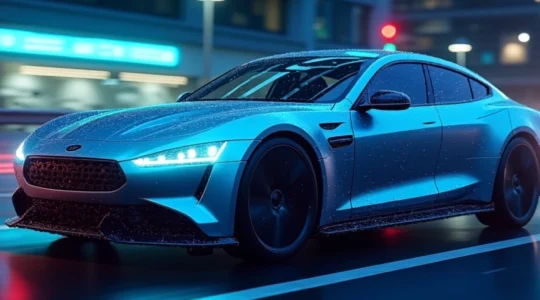
Choose smart cars over traditional electric cars to experience the future of vehicle technology
Smart cars represent a paradigm shift in the automotive industry, offering a fascinating combination of advanced technology, environmental friendliness, and user-friendliness. These innovative vehicles take the electric car concept a step further by integrating artificial intelligence, machine learning, and the…
Lire la suite
Consider leasing as a flexible solution for financing your next car
Car financing can be a complex decision for many car buyers. With more and more options available, leasing has become a popular and flexible way to acquire a new car. This form of financing provides the opportunity to drive a…
Lire la suite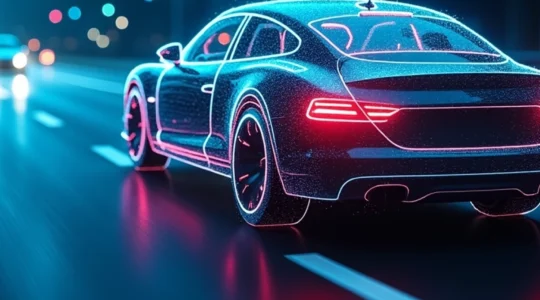
IoT technology has the potential to make our cars smarter and more efficient
Today’s cars are becoming rolling computers thanks to advancements in the Internet of Things (IoT). This technology gives vehicles the ability to collect, analyze, and share vast amounts of data in real-time. The result is smarter, safer, and more efficient…
Lire la suite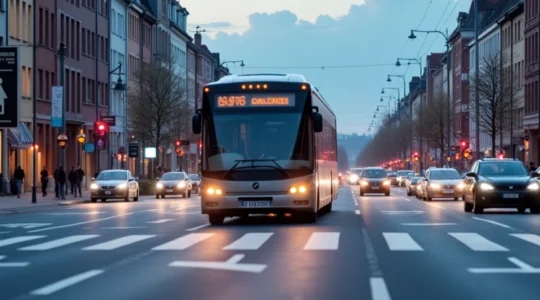
Urban infrastructure for smart cars: adaptations needed for the future of urban transport
Future cities face a revolution in transport and mobility. Smart cars and autonomous driving technology are changing how we move in urban areas. This development requires significant adaptations to city infrastructure to ensure seamless integration of intelligent vehicles into our…
Lire la suite
Explore the possibilities of smart car rental to try out new technology
Smart car rentals represent an exciting development at the intersection of modern automotive technology and the sharing economy. This innovative approach to mobility gives consumers the opportunity to experience the latest in vehicle technology without long-term commitments. With integrated systems…
Lire la suite