Smart bilmodeller
Smart car models sit at the crossroads of two major shifts in motoring: the move towards electric power and the rise of connected technology. For many UK drivers, especially those navigating busy towns and cities, these compact vehicles represent a practical answer to tight parking spaces, rising fuel costs and growing environmental awareness. This page brings together everything you need to understand the category, whether you are considering your first electric city car or simply trying to make sense of what âconnectedâ really means in practice.
What Makes a Car Model âSmartâ?
The word âsmartâ in this context covers more than clever marketing. A smart car model generally combines three characteristics: an electric or electrified powertrain, integrated connectivity, and a level of driver assistance that actively supports the person behind the wheel. Think of it as the difference between a basic mobile phone and a smartphone â the car is no longer just a means of transport, but a device that communicates, updates itself and adapts to your habits.
Compact dimensions also play a role. Many smart models are designed around urban life: short wheelbases for easier parking, tight turning circles for narrow streets, and efficient energy use suited to shorter daily journeys. In cities like London, Bristol or Manchester, where congestion and parking costs weigh heavily, these qualities matter as much as range figures.
Connected Features: What They Actually Do
Connectivity can sound abstract until you see what it changes day to day. Most connected cars link to the mobile network and to your home Wi-Fi, unlocking services that go well beyond a built-in satnav.
- Remote control via app: check the battery level, pre-heat or pre-cool the cabin, or locate your car in a crowded car park.
- Live navigation and traffic: routes recalculated in real time, with charging stops suggested automatically on longer trips.
- Over-the-air updates: the manufacturer can improve software, fix bugs or add features without a visit to the dealership.
- Vehicle health reporting: alerts when tyre pressure drops, service is due, or a fault is detected.
- Emergency assistance: automatic calls to emergency services after a serious accident, a feature now standard under UK and European regulation.
A useful analogy is your mobile phone plan: the car itself is the device, and a data subscription is often what keeps the connected services alive. Some manufacturers include several years of connectivity when you buy, then charge an annual fee. It is worth checking these terms before purchase, as they vary considerably between brands.
Electric Mobility: The Heart of the Modern Smart Car
Nearly all new smart city cars sold in the UK today are fully electric. This is not a coincidence. Electric motors deliver their full torque instantly, which suits stop-start urban driving perfectly, and they produce no exhaust emissions, which matters increasingly in low emission zones such as the London ULEZ or similar clean air schemes appearing in other British cities.
Understanding Range in Real Life
Manufacturers quote an official range figure based on standardised testing, but real-world results depend on weather, speed and load. Cold British winters can reduce range noticeably, as can motorway driving at sustained high speeds. As a rule of thumb, expect city and mixed driving to come close to the official figure, while long motorway journeys typically use more energy per mile.
For most urban drivers, this is less of a problem than it first appears. The average daily mileage for UK drivers is well under the range offered by even the most compact electric models, meaning most owners charge overnight and rarely think about range during the week.
Charging: Home First, Public When Needed
Charging is where new electric drivers have the most questions, and rightly so. The landscape has three main layers:
- Home charging: a wallbox installed on your driveway or garage delivers a full charge overnight, usually the cheapest option, especially when paired with an off-peak electricity tariff.
- Workplace and destination charging: increasing numbers of employers, supermarkets and leisure centres offer charge points, often free or low cost while you are there.
- Public rapid charging: motorway service areas and urban hubs offer rapid chargers that can take a battery from low to mostly full in around half an hour, ideal for occasional long journeys.
Drivers without off-street parking face a genuine challenge, and this is worth assessing honestly before buying. Local councils are expanding on-street charge points, and kerbside solutions are improving, but availability varies widely between boroughs and regions.
Choosing the Right Smart Car Model for Your Life
There is no single best model â there is only the best fit for your circumstances. A few fictional but typical profiles illustrate the reasoning.
The city commuter: Sarah lives in Leeds and drives eight miles to work each day. A compact electric car with a modest range of around 100 miles covers her week comfortably on a single overnight charge, and its small footprint makes multi-storey parking far less stressful.
The weekend explorer: James lives in Glasgow but visits family in the Lake District several times a year. He needs something with more range and access to reliable rapid charging along his route, so he prioritises a model with a larger battery and fast-charging capability over interior space.
The growing family: Priya needs four seats, a boot for a pushchair, and easy school-run parking. A slightly larger electric hatchback with connected features â particularly parking cameras and assistance â suits her better than the smallest city cars.
Key Factors to Compare
- Real-world range, not just the official figure.
- Charging speed and compatibility with common public networks.
- Connectivity subscriptions and what happens when the included period ends.
- Practicality: boot space, rear seat usability, turning circle.
- Safety and assistance features such as automatic emergency braking and lane keeping.
- Total running costs, including insurance, electricity tariffs and maintenance.
Running Costs and Ownership in the UK
One of the quieter advantages of smart electric cars is how predictable their running costs can be. Charging at home on an off-peak tariff typically costs a fraction of the equivalent petrol mileage. Maintenance is simpler too: electric motors have far fewer moving parts than combustion engines, so there are no oil changes, fewer brake replacements thanks to regenerative braking, and no exhaust systems to worry about.
On the tax side, electric vehicles currently benefit from favourable treatment compared with petrol and diesel cars, including exemption from some congestion and clean air charges. Regulations evolve, so it is sensible to check the current rules for your area before making a decision. Company car drivers have also found electric models increasingly attractive due to the way benefit-in-kind taxation is structured.
Insurance deserves a mention. Some insurers price electric cars competitively, while others charge more due to battery repair costs. Comparing quotes specifically for the model you are considering is a worthwhile step before committing.
Practical Tips for New Electric and Connected Car Owners
- Install a home charge point before the car arrives, and consider switching to an EV-friendly electricity tariff.
- Download your carâs companion app on day one and set up charging schedules to benefit from cheaper overnight rates.
- Install two or three public charging network apps so you are never dependent on a single provider when travelling.
- Keep the battery between roughly 20% and 80% for everyday use; full charges are best reserved for long trips.
- Review your connectivity subscription terms and set a reminder before any free period expires.
Looking Ahead: Where Smart Mobility Is Going
The direction of travel is clear. Batteries continue to improve in range and affordability, charging networks are denser every year, and connected services are shifting from novelty to expectation. Features that were premium options a few years ago â live traffic rerouting, app-based climate control, automated lane keeping â are becoming standard even on the most affordable city cars.
For UK drivers, the combination of expanding public charging, strengthening clean air policies and improving technology means smart car models are moving from an early-adopter choice to a mainstream one. Understanding the fundamentals covered on this page â what connectivity delivers, how electric driving works in practice, and how to match a model to your real needs â puts you in a strong position to make an informed, confident decision.
Frequently Asked Questions
Do I need a special licence to drive an electric car?
No. Any full UK driving licence covering cars allows you to drive a standard electric vehicle. Only certain very small quadricycle-style vehicles fall outside this, and those have their own rules.
How long do electric car batteries last?
Modern batteries are engineered to outlast most other components, typically degrading gradually rather than failing suddenly. Manufacturers back this with warranties, commonly covering the battery for eight years or a set mileage, whichever comes first.
Is connected technology a privacy concern?
Connected cars do collect data, including location and vehicle diagnostics. Manufacturers must comply with UK data protection law, and you can usually review and adjust privacy settings in the companion app. Reading the manufacturerâs data policy is a sensible precaution, particularly regarding what is shared with third parties.
Can I charge an electric car in the rain?
Yes, safely. Both home wallboxes and public charge points are designed and certified for outdoor use in all weather, with multiple layers of protection built in.
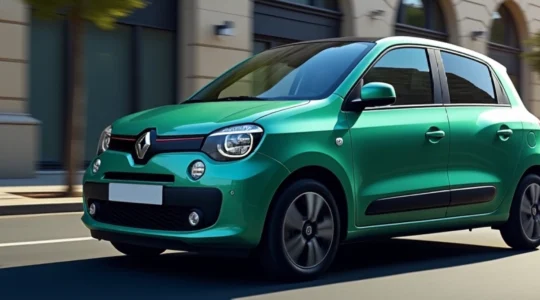
Hvorfor er Renault Twingo Electric et godt valg for bykjøring?
Elektriske biler har blitt stadig mer populære, spesielt for bykjøring. Renault Twingo Electric skiller seg ut som et særlig godt valg for urban mobilitet. Denne kompakte elbilen kombinerer smart design, effektiv ytelse og miljøvennlighet på en måte som passer perfekt…
Lire la suite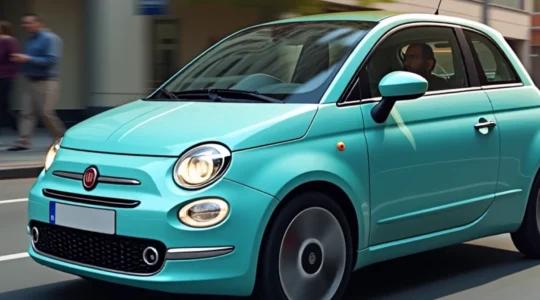
Fiat 500 Electric gir en praktisk og økonomisk løsning for daglig pendling
Elbiler har for alvor inntatt det norske bilmarkedet, og Fiat 500 Electric står fram som et spennende alternativ for urbane pendlere. Denne ikoniske modellen har fått nytt liv i elektrisk drakt, og byr på en rekke fordeler for deg som…
Lire la suite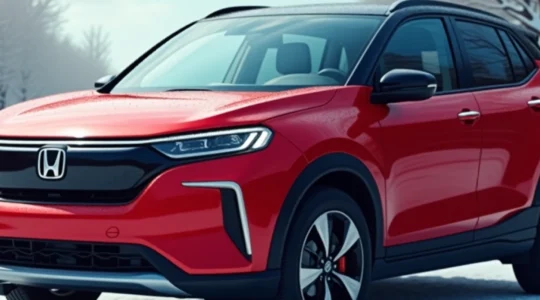
Honda e: en ny standard for smarte elektriske biler med retro design
Honda e representerer et spennende gjennombrudd i elbilmarkedet, der retro design møter avansert elektrisk teknologi. Denne kompakte bybilen kombinerer nostalgisk estetikk med fremtidsrettet funksjonalitet, og setter en ny standard for hva elbiler kan være. Med sin unike tilnærming utfordrer Honda…
Lire la suite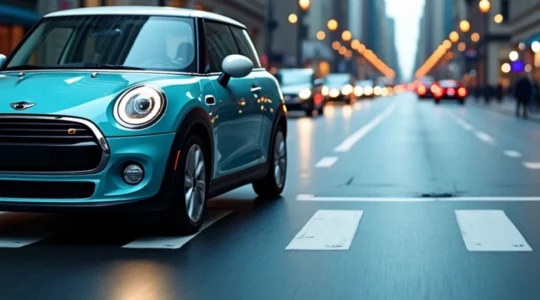
Utforsk de beste funksjonene ved mini electric for bykjøring
Elektriske biler har tatt bilindustrien med storm, og Mini Electric står i spissen for denne revolusjonen når det gjelder bykjøring. Denne kompakte og stilige elbilen kombinerer Minis ikoniske design med banebrytende elektrisk teknologi, og tilbyr en unik kjøreopplevelse spesielt tilpasset…
Lire la suite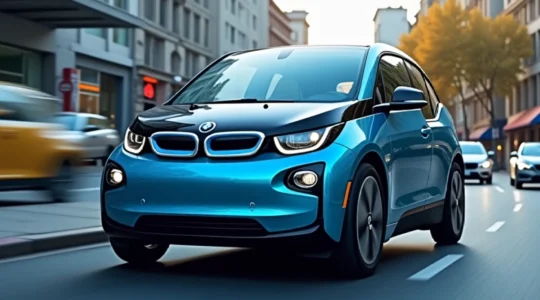
Hvordan presterer BMW i3 når det gjelder rekkevidde og effektivitet?
BMW i3 har markert seg som en innovativ elektrisk bybil siden lanseringen i 2013. Med sin unike design og fokus på bærekraftige materialer, representerer i3 BMWs visjon for fremtidens mobilitet. Men hvordan presterer denne kompakte elbilen egentlig når det kommer…
Lire la suite