Smart car models
Modern driving has changed dramatically over the past decade. Cars are no longer just mechanical machines; they are rolling computers connected to the internet, capable of finding their own parking space, pre-heating the cabin from your phone and, in many cases, running entirely on electricity. This category is dedicated to smart car models: compact, connected and increasingly electric vehicles designed with urban life in mind.
Whether you are considering your first electric car, curious about what « connected » actually means in practice, or comparing the different models available on the UK market, this page brings together everything you need to understand the landscape. Our goal is to explain these concepts clearly, without jargon or commercial pressure, so you can make informed decisions at your own pace.
What Defines a Smart Car Model Today
The term « smartcar » can be traced back to the original city runarounds that popularised micro-mobility in crowded European towns. Today, the meaning has broadened considerably. A smart car model is generally understood as a vehicle that combines three characteristics: a compact or efficient footprint, a digital ecosystem that keeps it connected, and increasingly, an electric or hybrid powertrain.
In the UK context, this evolution is particularly relevant. With clean air zones expanding in cities such as London, Birmingham and Bristol, and the ongoing transition away from new petrol and diesel vehicles, compact connected electric cars have moved from niche products to practical everyday solutions.
The Three Pillars of a Smart Car
- Connectivity: embedded SIM cards and smartphone integration allow the car to receive traffic data, software updates, remote controls and emergency assistance.
- Electrification: many smart models are fully electric or plug-in hybrids, reducing running costs and emissions, especially in urban environments.
- Compact design: smaller dimensions make parking, manoeuvring and city driving easier, which is often the deciding factor for UK buyers.
Why Connected Cars Are Changing Everyday Driving
A connected car uses a built-in internet connection, usually through an embedded SIM, to communicate with servers, your smartphone and sometimes other vehicles. This is often referred to as the « connectedcarecosystem », and it delivers tangible benefits rather than gimmicks.
Imagine a typical UK commuter, Sarah from Manchester. Each winter morning, she warms her electric hatchback from her kitchen using a mobile app, so the windscreen is already de-iced when she leaves. During her drive, the navigation system receives live traffic information and reroutes her around a motorway closure automatically. Later that week, the car receives an over-the-air software update overnight, improving battery management without her ever visiting a dealership. This is what connectivity looks like in practice.
Common Connected Features Explained
- Remote access via app: lock and unlock doors, check battery charge, pre-condition the cabin and locate the car.
- Live navigation and traffic: routes calculated using real-time conditions rather than static map data.
- Over-the-air updates: software improvements delivered remotely, keeping the car current throughout its life.
- Emergency eCall systems: automatic emergency calls with location data following a serious accident, now required across the UK and Europe.
- Charging integration: locating public charge points, checking availability and even planning charging stops on longer journeys.
It is worth noting that some connected services require a subscription after an initial period, so always check what is included when comparing models.
Electric Mobility: The Heart of Modern Smart Cars
Electric powertrains and smart connectivity go hand in hand. An electric car is essentially a large computer on wheels, which makes it naturally suited to software-based features. For beginners, the key concepts are simple.
Understanding Range and Charging
Range refers to how far a car can travel on a full battery. Modern compact electric cars typically offer a real-world range well suited to daily commuting, school runs and local errands, with many models comfortably covering longer motorway journeys too. The official figures quoted by manufacturers are measured under standardised testing conditions, and UK real-world results often vary with weather, speed and driving style.
Charging happens in three main ways:
- Home charging: the most convenient and usually cheapest option, using a dedicated wallbox installed at your property. Most UK drivers do the majority of their charging this way.
- Destination and workplace charging: slower chargers at supermarkets, car parks and offices that top up the battery while you are parked.
- Rapid public charging: high-power chargers at motorway services and urban hubs that can add substantial range in the time it takes to have a coffee.
An analogy that helps many newcomers: think of your electric car like a smartphone. You rarely run it down to zero before recharging; you simply plug it in when convenient. Battery anxiety tends to fade within the first few weeks of ownership.
Comparing Smart Car Models: What to Look For
With dozens of models on the UK market, comparison can feel overwhelming. Rather than focusing on a single headline figure, evaluate models across several dimensions.
Key Comparison Criteria
- Battery and range: match the official range to your typical weekly mileage, adding a buffer for winter conditions.
- Charging speed and connector type: check both AC and DC charging rates, and confirm compatibility with UK public networks.
- Connected services: compare what is included free, what requires subscription, and how long updates are guaranteed.
- Practicality: boot space, rear seat usability and turning circle matter more in daily life than top speed.
- Safety and assistance systems: automatic emergency braking, lane keeping assist and blind spot monitoring are now widely available.
- Total running costs: electricity is significantly cheaper per mile than petrol, and electric vehicles benefit from lower road tax, reduced maintenance and, in many cities, exemptions from congestion or clean air charges.
A useful exercise is to list your three most common journeys and check whether a candidate model covers them comfortably. This simple test filters the market faster than any specification sheet.
Practical Considerations for UK Drivers
Buying a smart or electric car in the UK comes with specific local factors worth understanding before you commit.
Ownership Costs and Incentives
While the upfront price of electric models can be higher than equivalent petrol cars, running costs usually work in your favour. Home electricity is cheaper per mile than petrol, and many public charge point operators offer competitive membership rates. Company car drivers benefit from favourable benefit-in-kind treatment on electric vehicles, which has accelerated adoption considerably. Government grant schemes for charge point installation at home have also helped many households make the switch.
Insurance and Servicing
Connected and electric cars are generally straightforward to insure, though repair costs after accidents can be higher due to battery and sensor technology. Servicing requirements are lower than for combustion cars: no oil changes, fewer wearing parts and regenerative braking that extends brake life. Most manufacturers offer extended battery warranties, typically covering eight years or a set mileage, which provides reassurance for used buyers too.
Urban Rules and Charging Access
If you drive mainly in cities, check the clean air and low emission zone rules where you live. Fully electric vehicles currently qualify for exemptions or discounts in most UK schemes, which can save regular city drivers a meaningful amount each year. For residents without off-street parking, growing kerbside charging networks and community charge point schemes are gradually improving access, though it remains sensible to research local infrastructure before buying.
Choosing Between Small Electric City Cars and Larger Models
The smart car category spans everything from two-seater city runarounds to compact electric SUVs. Your choice depends less on specifications and more on your lifestyle.
- City commuters: a compact electric car with moderate range is usually ideal, prioritising manoeuvrability, low running costs and easy parking.
- Small families: look for five seats, a practical boot and a range that covers weekend trips without frequent stops.
- Regular long-distance drivers: prioritise fast charging capability and motorway efficiency over maximum range alone.
- Second-car households: a smaller, cheaper model used for local journeys pairs well with a conventional car kept for longer trips.
Test drives remain essential. Bookings are easy to arrange at UK dealerships, and many manufacturers now offer extended or home-based test drives so you can experience real daily routes, including charging, before deciding.
The Future of Smart Car Models
The pace of change in this category shows no sign of slowing. Software-defined vehicles, where features improve over time through updates, are becoming the norm rather than the exception. Battery technology continues to improve in energy density and cost, and vehicle-to-grid trials in the UK are exploring how electric cars could feed energy back into homes and the national network. For buyers, the practical message is simple: today’s smart car models are already capable, reliable and affordable to run, and waiting for the « perfect » future model is rarely necessary.
Use the articles in this category to dig deeper into individual models, compare connected features, and build the confidence to take your next step towards electric, connected driving.
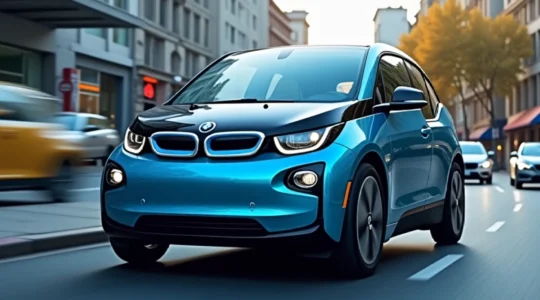
How does the BMW i3 perform in terms of range and efficiency?
The BMW i3 has made its mark as an innovative electric city car since its launch in 2013. With its unique design and focus on sustainable materials, the i3 represents BMW’s vision for the future of mobility. But how does…
Lire la suite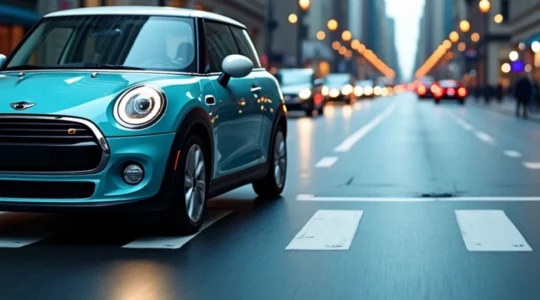
Explore the best features of mini electric for city driving
Electric cars have taken the automotive industry by storm, and the Mini Electric is at the forefront of this revolution when it comes to city driving. This compact and stylish electric car combines Mini’s iconic design with cutting-edge electric technology,…
Lire la suite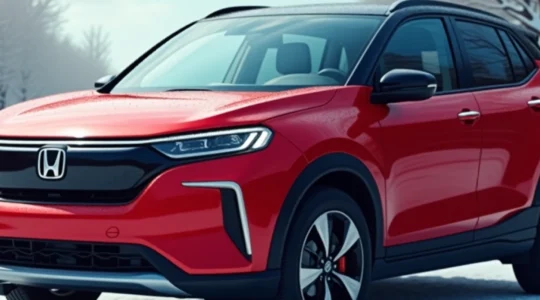
Honda e: a new standard for smart electric cars with retro design
The Honda e represents an exciting breakthrough in the electric car market, where retro design meets advanced electric technology. This compact city car combines nostalgic aesthetics with future-oriented functionality, setting a new standard for what electric cars can be. With…
Lire la suite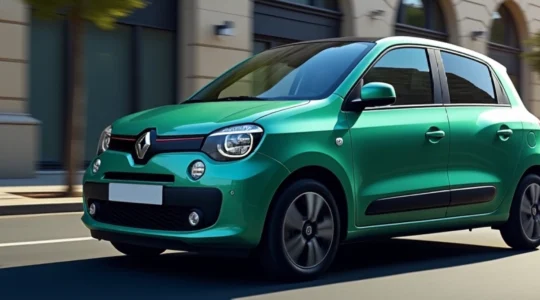
Why is Renault Twingo Electric a good choice for city driving?
Electric cars have become increasingly popular, especially for city driving. The Renault Twingo Electric stands out as a particularly good choice for urban mobility. This compact electric car combines smart design, efficient performance and environmental friendliness in a way that…
Lire la suite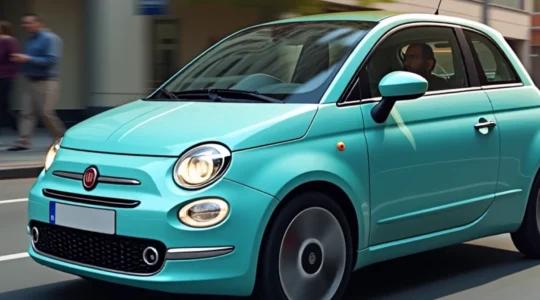
The Fiat 500 Electric provides a practical and economical solution for daily commuting
Electric cars have truly taken over the Norwegian car market, and the Fiat 500 Electric stands out as an exciting alternative for urban commuters. This iconic model has been given new life in an electric guise, offering a range of…
Lire la suite